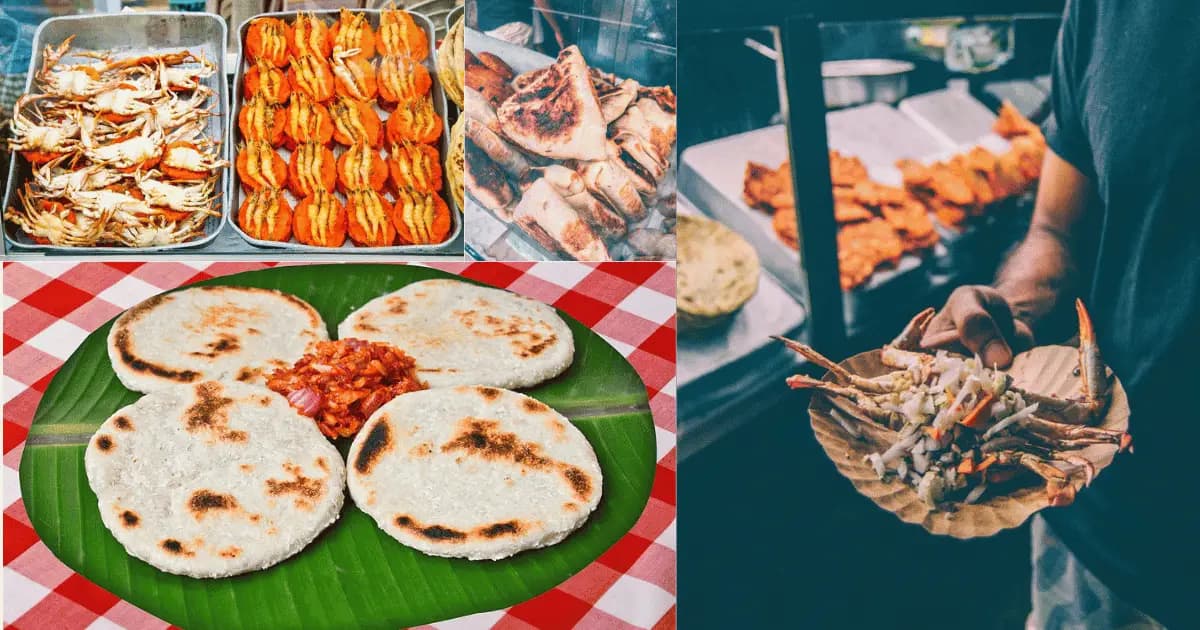
Sri Lanka street food is one of South Asia's most underrated culinary experiences. Across busy cities, roadside stalls, railway stations, coastal towns, village markets, and night-time food carts, travellers discover a rich variety of dishes packed with spice, flavor, and cultural history.
Sri Lankan cuisine reflects centuries of exchange shaped by Sinhalese, Tamil, Muslim, Malay, Dutch, Portuguese, and Indian influences. The result is a vibrant food culture where fiery curries, crispy snacks, fresh seafood, coconut-based dishes, and tropical fruits are enjoyed daily across the island. Full background on Sri Lankan cuisine.
From the noisy streets of Colombo and Kandy to the beaches of Galle and Trincomalee, everything is affordable, flavorful, and deeply connected to daily local life.
Kottu Roti — Sri Lanka's Most Famous Street Food
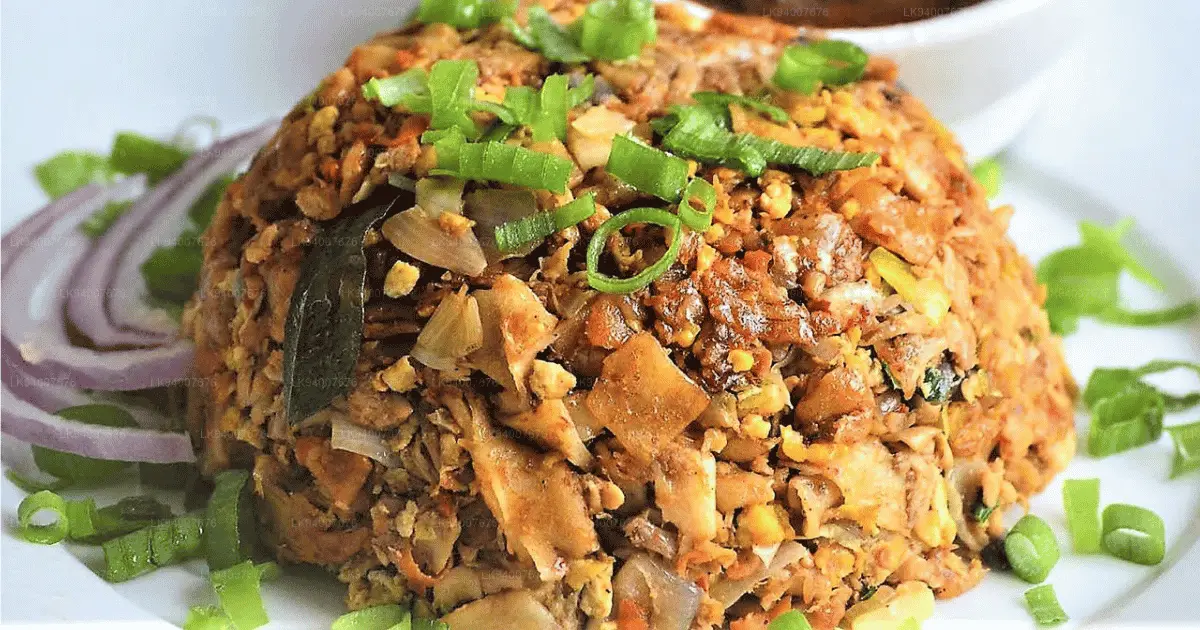
Kottu roti is arguably Sri Lanka's most iconic street food. Made by chopping flatbread on a hot steel grill with vegetables, eggs, curry sauce, spices, and meat or seafood, kottu is instantly recognizable by the loud rhythmic sound created by metal blades striking the cooking surface. Learn more about kottu roti and its origins.
Popular varieties:
- Chicken Kottu
- Cheese Kottu
- Egg Kottu
- Seafood Kottu
- Beef Kottu
- Vegetable Kottu
- Dolphin Kottu (finer-chopped style)
Kottu is especially popular as a late-night meal and can be found everywhere from roadside stalls to restaurants. Best places to try it: Colombo, Kandy, Galle, Negombo, and Jaffna.
Hoppers
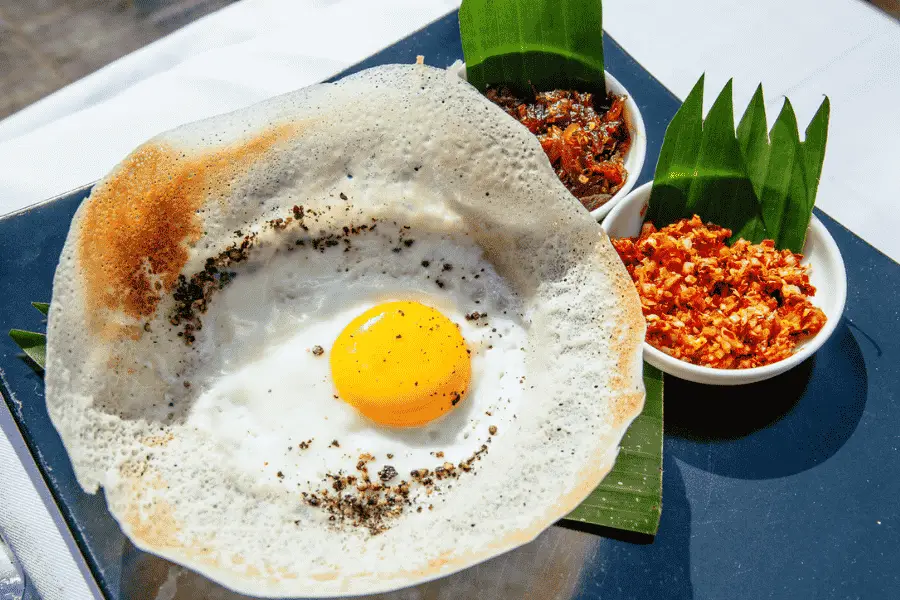
Hoppers are bowl-shaped pancakes made from fermented rice flour and coconut milk batter. Crispy around the edges and soft in the center, they are one of Sri Lanka's most beloved breakfast and dinner foods.
Popular types:
- Plain Hoppers
- Egg Hoppers
- Milk Hoppers
- Honey Hoppers
Usually served with:
- Spicy onion sambol
- Coconut sambol
- Chicken curry
- Fish curry
- Dhal curry
Isso Wade — Crispy Prawn Fritters
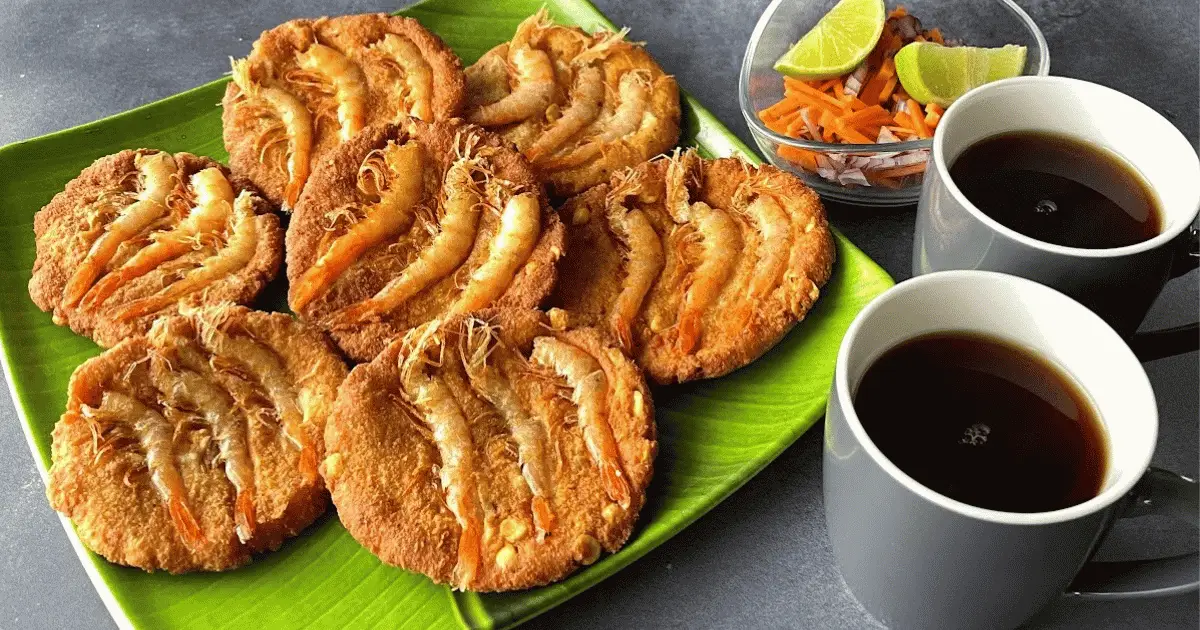
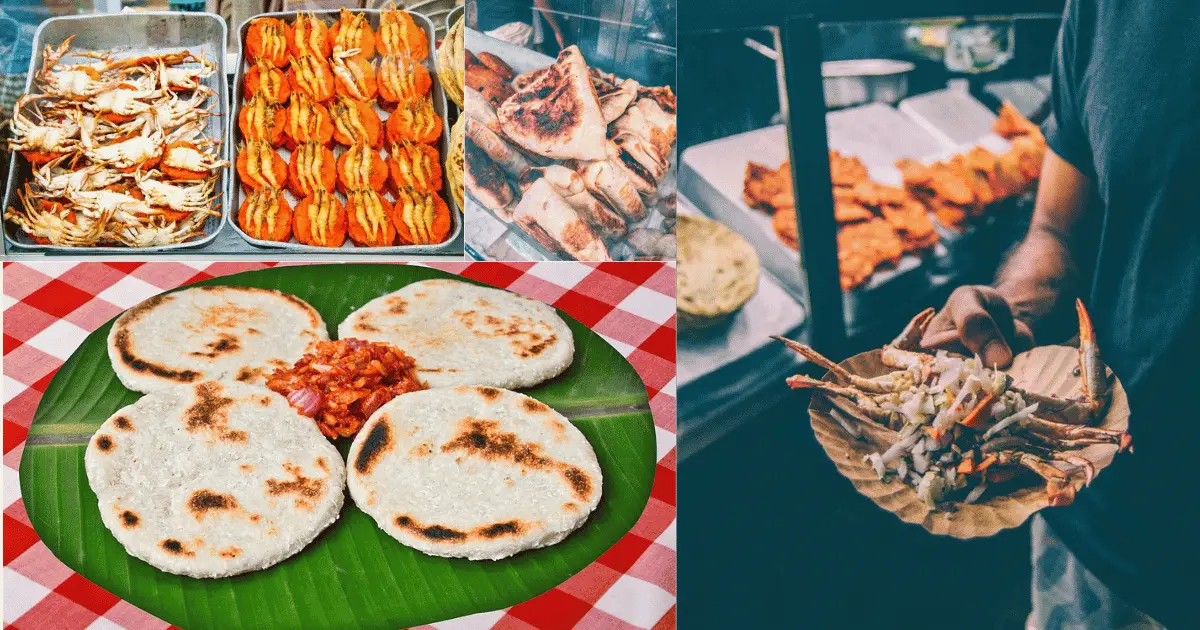
Isso wade is one of Colombo's most famous street snacks. Made from deep-fried lentil patties topped with whole prawns, isso wade is especially popular near beaches, railway stations, and busy evening food stalls. The snack is crispy, spicy, and often served with chili sauce or sliced onions.
The best place to try isso wade is Galle Face Green in Colombo — one of Sri Lanka's most iconic evening street food destinations.
Short Eats
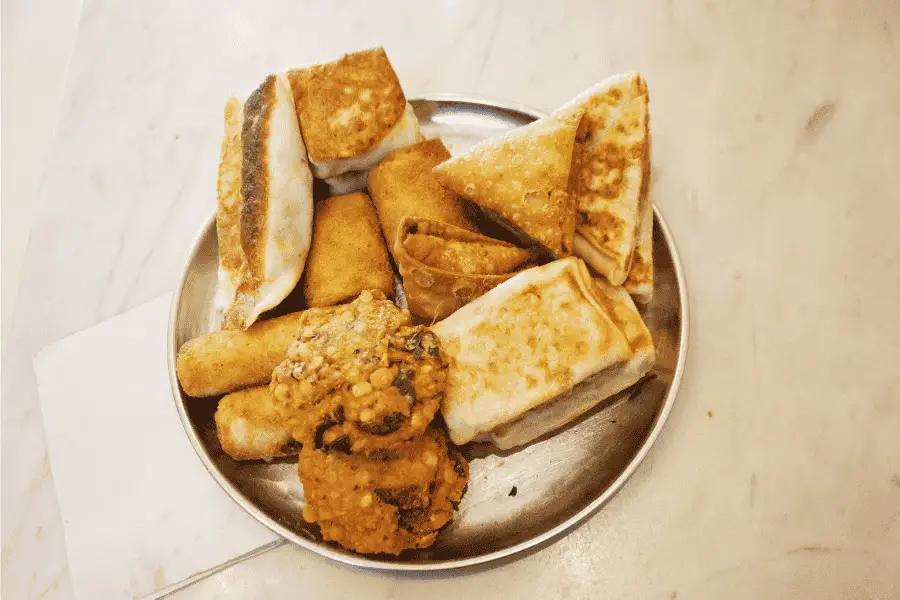
Short eats refers to the wide variety of savory snacks sold at bakeries, tea shops, train stations, and roadside cafes across Sri Lanka. Locals enjoy short eats with milk tea during evening tea time.
Popular short eats include:
- Fish buns
- Chinese rolls
- Cutlets
- Patties
- Sausage buns
- Vegetable rolls
- Egg rolls
- Samosas
Roti & String Hoppers
Roti is a common roadside food found throughout Sri Lanka. Street stalls prepare different versions stuffed with vegetables, eggs, cheese, chicken, or spicy fillings.
Popular roti varieties:
- Egg Roti
- Vegetable Roti
- Pol Roti (coconut flatbread)
- Chicken Roti
- Cheese Roti
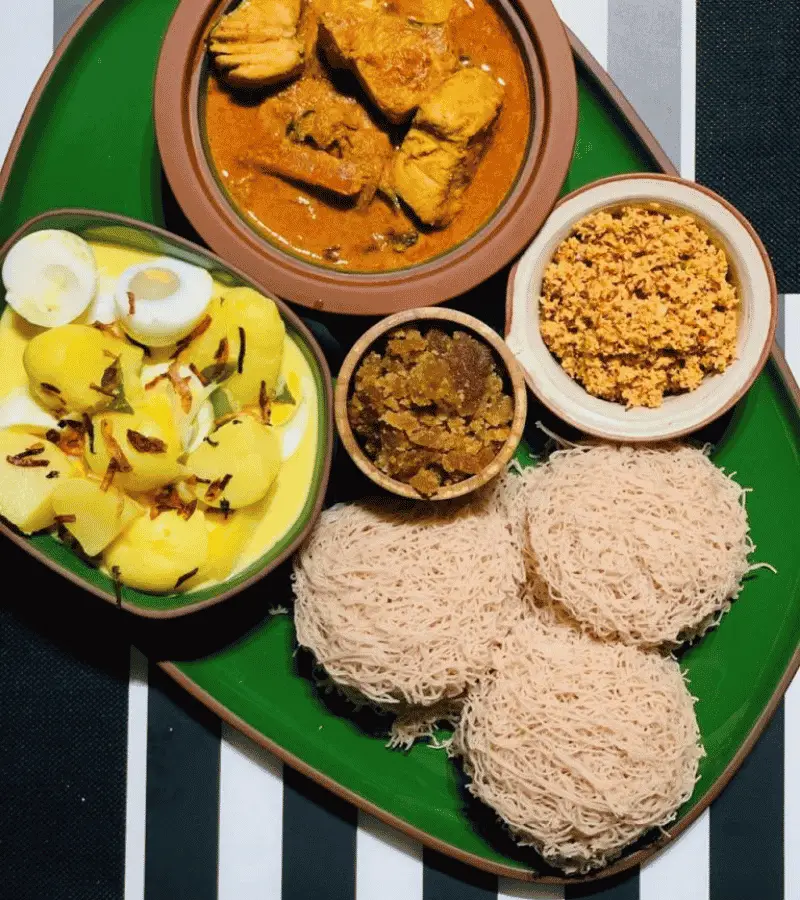
String hoppers (Idiyappam) are thin steamed rice noodle pancakes commonly eaten for breakfast or dinner. Served with curries and sambols, they are light but filling. Typical accompaniments include coconut sambol, dhal curry, potato curry, fish curry, and chicken curry.
Achcharu, Manioc & Fresh Tropical Fruit
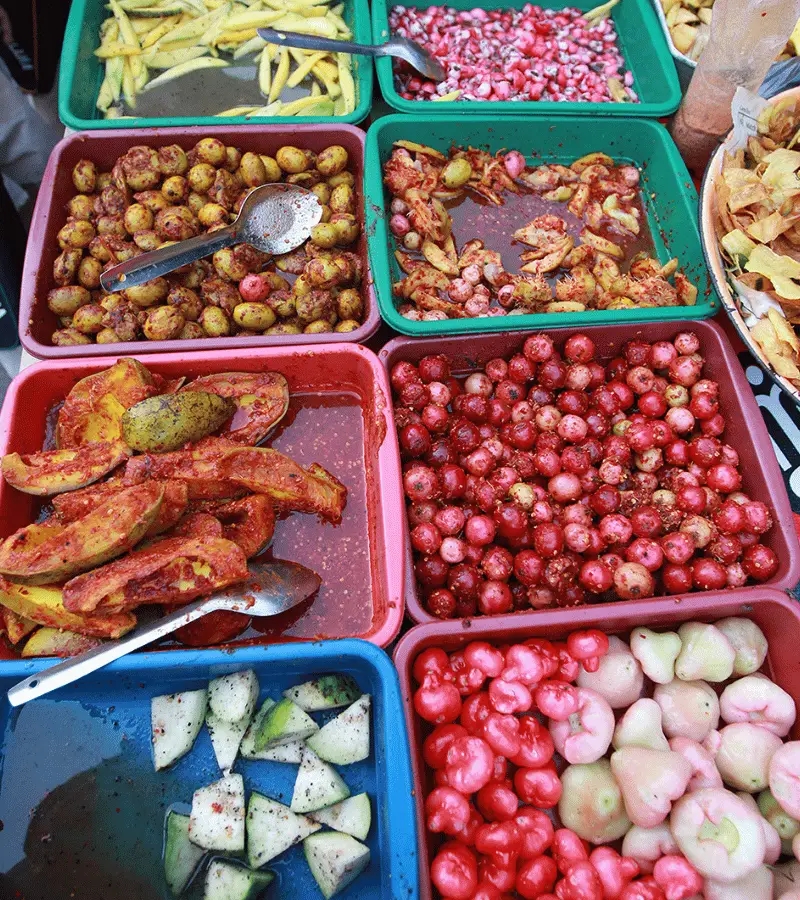
Achcharu is a spicy street-style pickle mix made from fruits and vegetables — commonly mango, pineapple, ambarella, olive, and cucumber — combined with chili powder, vinegar, and salt. Street vendors sell it in plastic cups or paper packets. It combines sweet, sour, salty, and spicy flavors in a single bite.
Boiled cassava (manioc) is a traditional roadside snack often served with spicy coconut sambol — especially common in rural areas and coastal regions.
Sri Lanka's tropical climate means street vendors sell a wide variety of fresh fruits year-round: mango, pineapple, rambutan, mangosteen, papaya, watermelon, wood apple, durian, and king coconut. Fruit vendors are found near beaches, highways, and tourist towns.
King Coconut
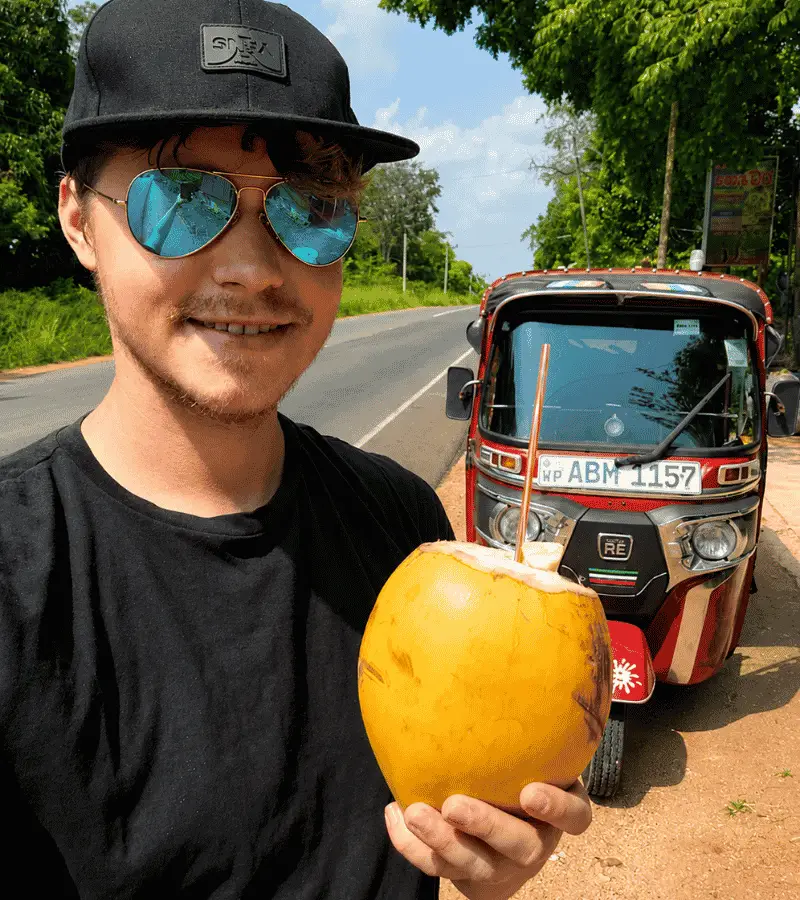
King coconut is one of the most refreshing drinks in Sri Lanka. Sold from roadside carts throughout the country, king coconuts contain naturally sweet, electrolyte-rich water ideal for the tropical climate. King coconut is different from regular coconut varieties and is native to Sri Lanka.
Jaffna Street Food Specialties
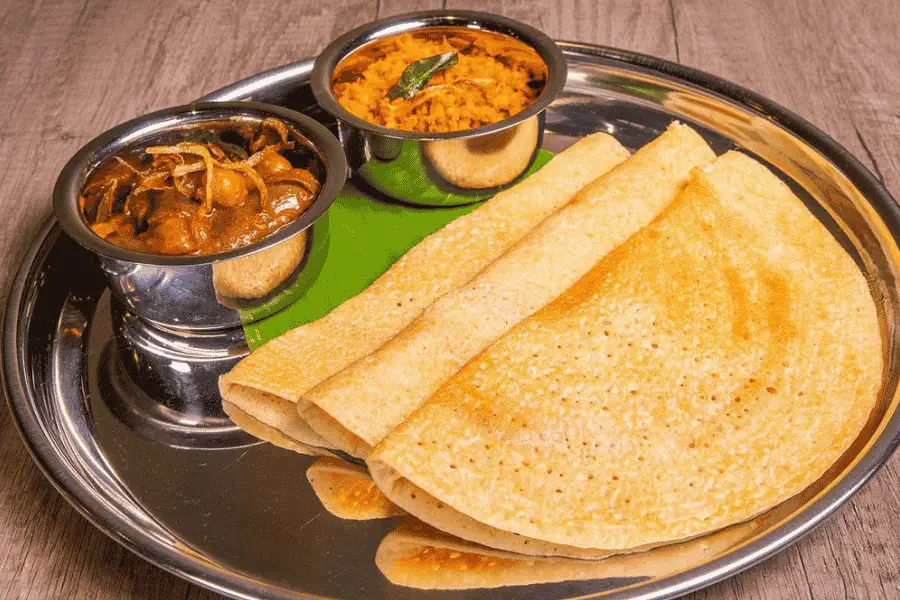
Northern Sri Lanka has its own Tamil-influenced street food culture, shaped by centuries of tradition and very different from anything you find on the south coast. Jaffna cuisine is considered one of the spiciest regional food styles on the island.
Popular Jaffna specialties:
- Jaffna crab curry
- Kool seafood soup
- Odiyal kool (palmyrah root seafood soup)
- Jaffna dosai
- Spicy mutton rolls
- Palmyrah sweets
Read the Jaffna & Mannar Travel Guide →
Traditional Village Food Culture
Beyond cities and tourist areas, Sri Lanka's rural villages preserve some of the island's oldest food traditions. Village cuisine is connected to farming culture, seasonal harvests, coconut cultivation, freshwater fishing, and home-grown spices.
Traditional village foods:
- Finger millet flatbread
- Fresh coconut sambol
- Village chicken curry
- Jackfruit curry
- Centella herb salad
- Manioc with lunu miris
- Green gram curry
- Freshwater fish curry
Rice & Curry — Sri Lanka's Culinary Foundation
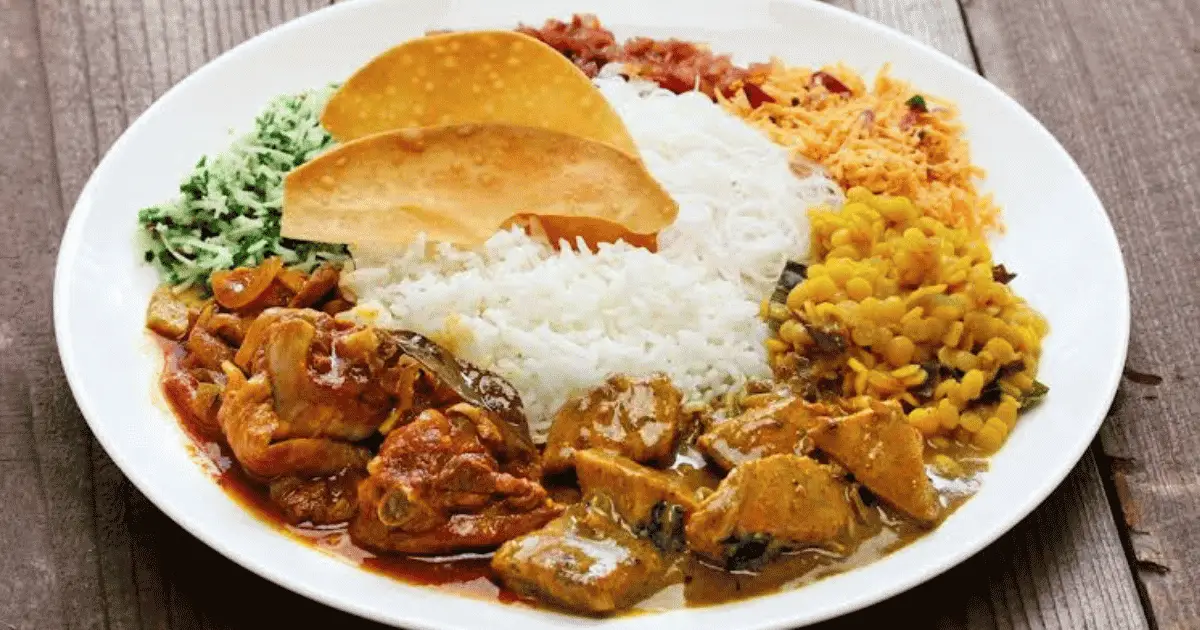
Rice and curry is the foundation of Sri Lankan cuisine. A traditional meal includes multiple small dishes served together, creating a balance of flavors, textures, spices, and colors.
A typical meal includes:
- Steamed rice
- Dhal curry
- Chicken or fish curry
- Beetroot curry
- Pumpkin curry
- Coconut sambol
- Finely chopped leafy green salad
- Papadam
- Pickles
Every region has its own variation. Southern Sri Lanka uses more seafood and goraka. Northern cuisine is spicier with Tamil influences. Hill country curries feature more vegetables. Eastern cuisine uses rich coconut milk gravies.
Tea Culture & Street Tea Shops
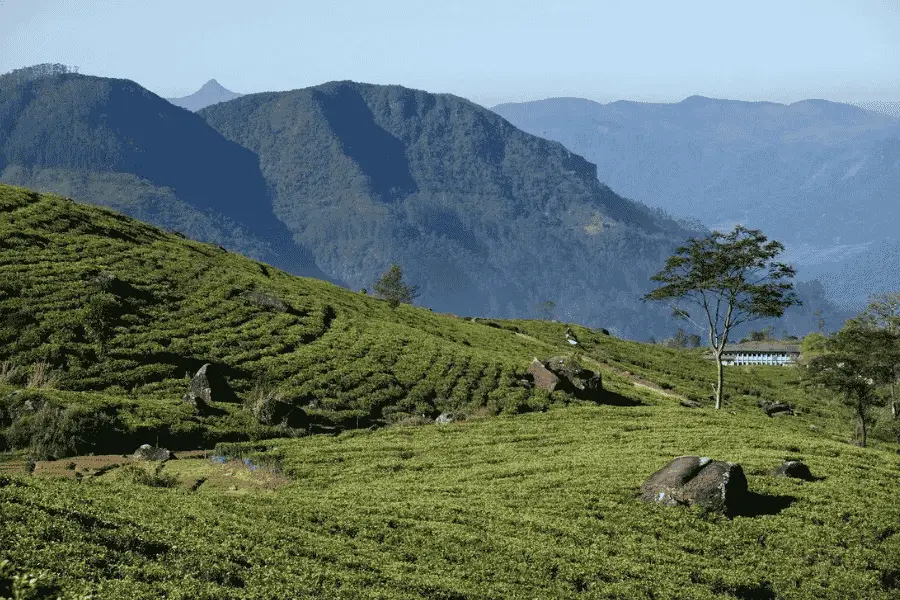
Tea is one of the most important parts of Sri Lankan daily life. Street tea shops are social gathering places where locals stop throughout the day. The hill country around Nuwara Eliya, Haputale, and Ella is the heart of Ceylon tea production.
Street tea shops typically serve:
- Milk tea
- Plain tea
- Ginger tea
- Short eats
- Vegetable rotis
- Egg buns
- Fish buns
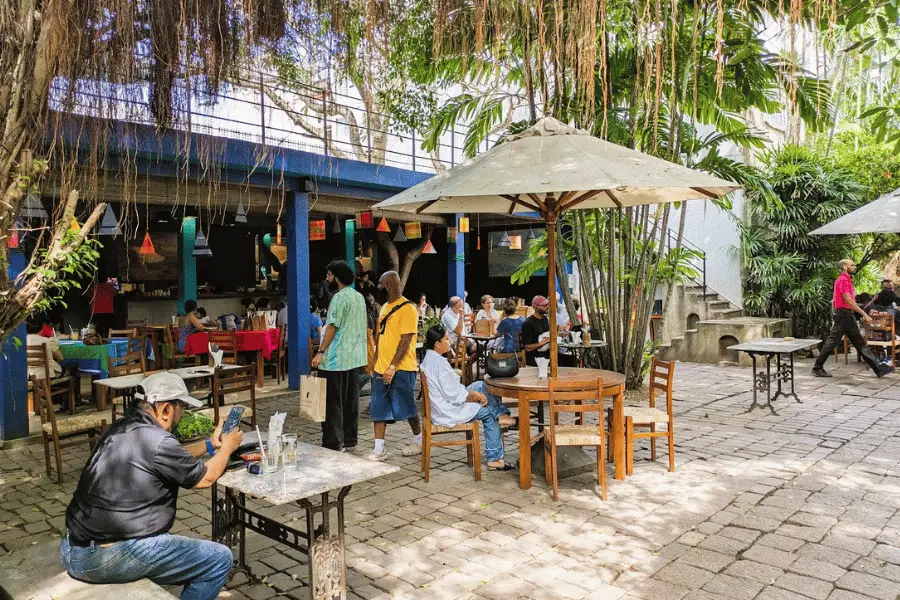
Sri Lankan Spice Culture
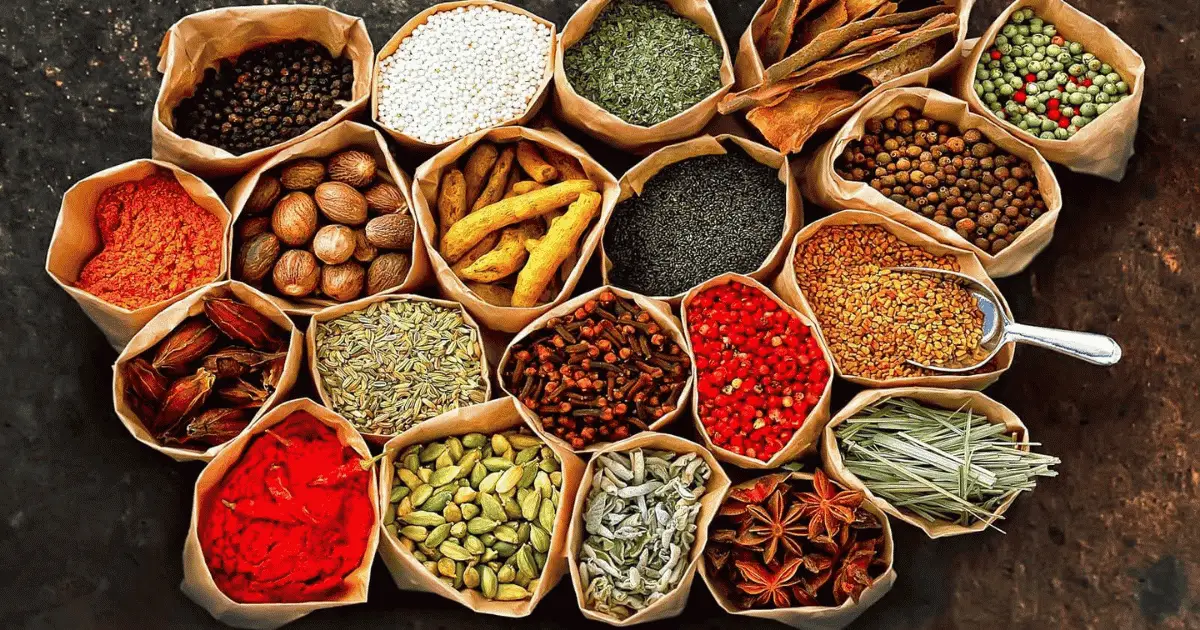
Sri Lankan cuisine is recognized for its rich spice combinations. The island has historically been part of international spice trade routes for centuries, attracting Arab, Portuguese, Dutch, and British traders.
Common spices used in Sri Lankan cooking:
- Cinnamon (Ceylon cinnamon — one of the finest varieties in the world)
- Cardamom
- Cloves
- Black pepper
- Curry leaves
- Turmeric
- Mustard seeds
- Fenugreek
- Pandan leaves
Spice gardens are popular visitor attractions around Matale and Kandy.
Muslim Street Food Influences
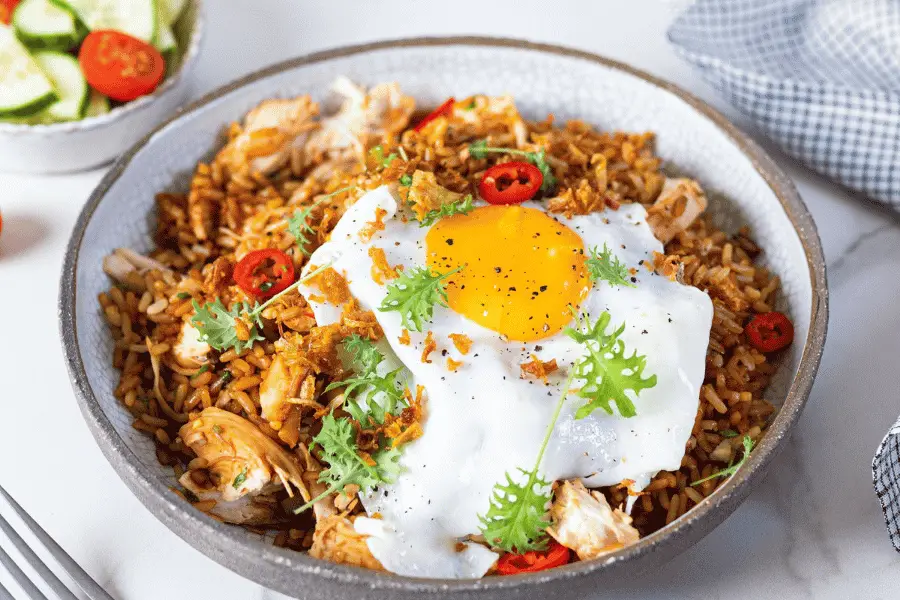
Sri Lankan Muslim communities have contributed significantly to the island's street food culture. These foods are especially popular in Colombo, Kattankudy, Beruwala, and eastern Sri Lanka.
Popular dishes include:
- Biriyani
- Wattalappam (spiced coconut custard pudding)
- Beef samosas
- Faluda (milk dessert drink)
- Parata
- Nasi goreng
Sri Lankan Muslim cuisine reflects Arab, Malay, and South Indian culinary influences.
Street Food Desserts & Sweets
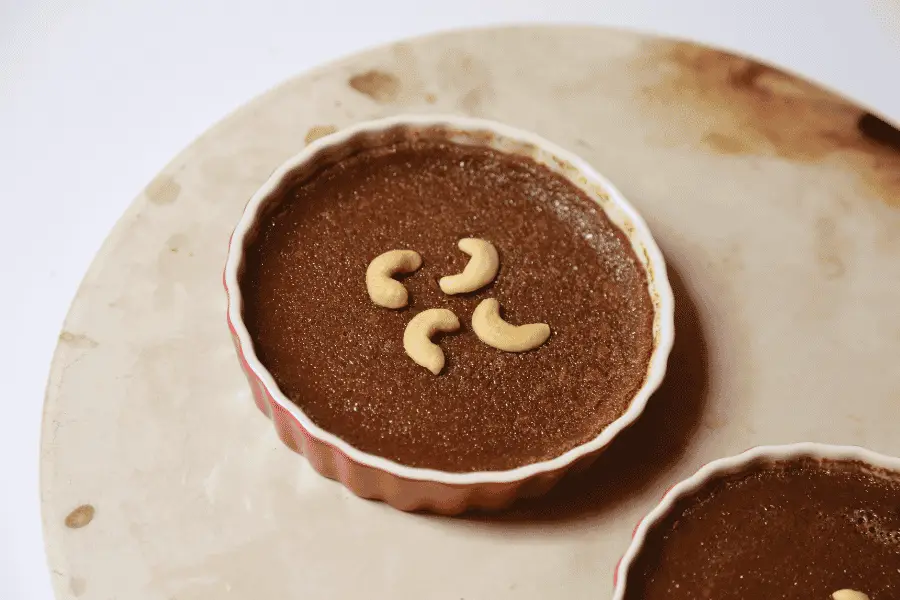
Sri Lanka's traditional sweets are commonly sold at festivals, New Year celebrations, and local markets.
Popular sweet treats:
- Oil cakes
- Crispy coconut cookies
- Aluwa
- Unduwal
- Wattalappam (spiced coconut custard pudding)
- Pani walalu
- Muscat
Regional Food Cultures in Sri Lanka
Sri Lanka's food culture changes dramatically from region to region. Climate, religion, colonial history, fishing traditions, and ethnic communities have all shaped the island's diverse culinary identity.
Jaffna — Northern Tamil Cuisine
Jaffna is home to one of Sri Lanka's most unique and flavorful food cultures. Northern cuisine is famous for its intense spice levels, seafood dishes, dried chilies, curry leaves, palmyrah products, and Tamil culinary traditions. Jaffna crab curry is considered one of the island's most famous regional dishes.
Negombo — Sri Lanka's Seafood Hub
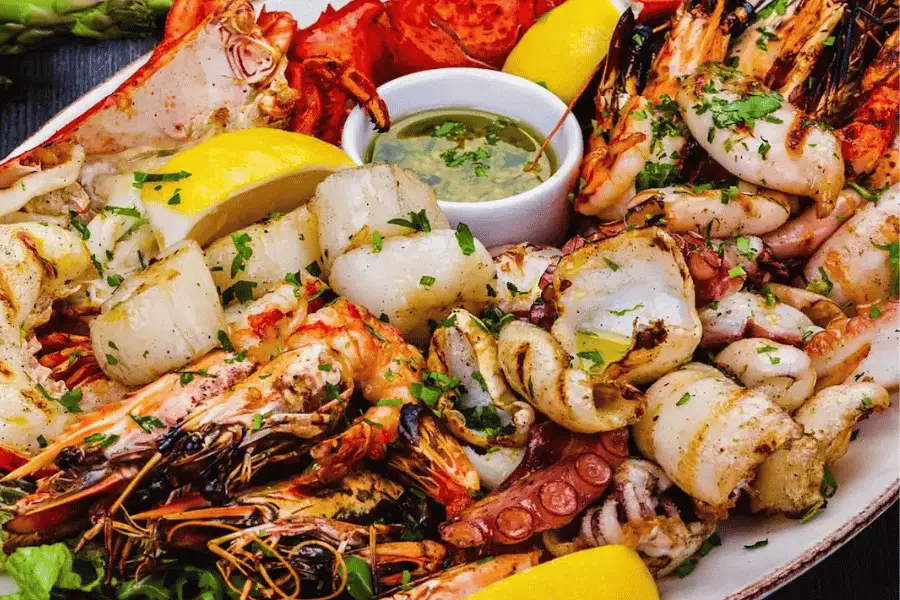
Negombo is famous for its fishing industry and seafood-focused food culture. The city's large Catholic fishing community and Dutch colonial history have strongly influenced local cuisine.
Signature foods: lagoon crab curry, prawn curry, spicy cuttlefish, grilled seafood, sour fish curry, seafood kottu, fried calamari. Negombo fish markets are among the busiest in Sri Lanka.
Read the Negombo Travel Guide →
Kandy — Traditional Hill Country Cuisine
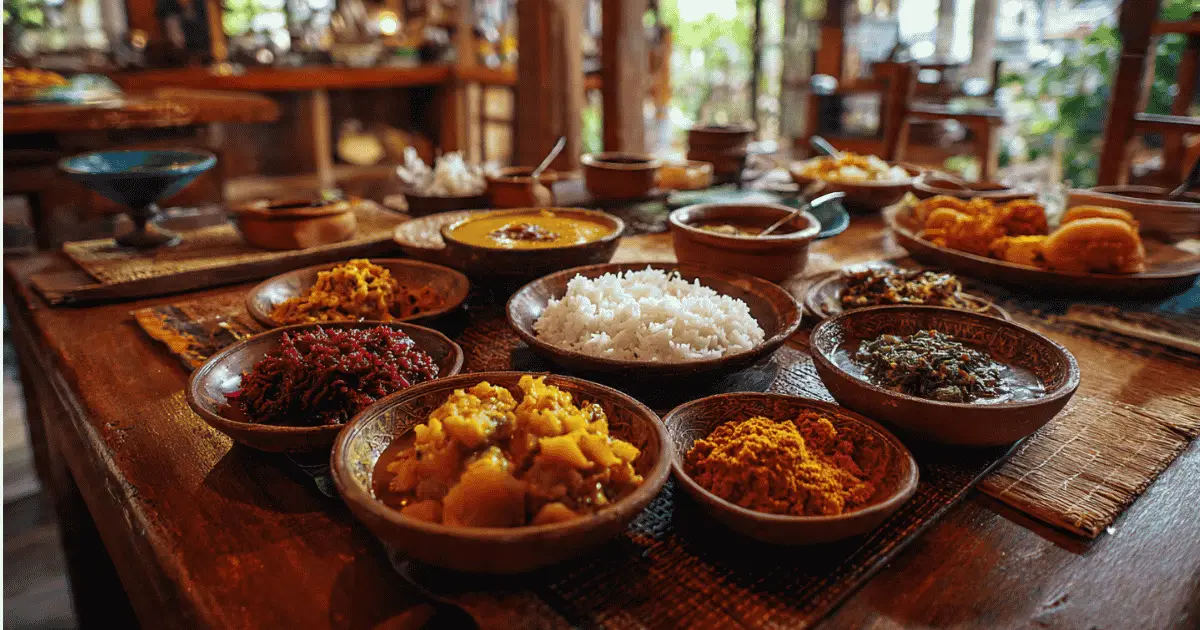
Kandy offers a traditional Sinhalese food culture influenced by Sri Lanka's ancient royal history. The hill country climate creates a different culinary atmosphere, with rice dishes, herbal recipes, and traditional sweets playing central roles.
Signature foods: traditional rice and curry, jackfruit curry, herbal porridge, coconut sambol, temple sweets, wattalappam, milk rice.
Colombo — Sri Lanka's Modern Food Capital
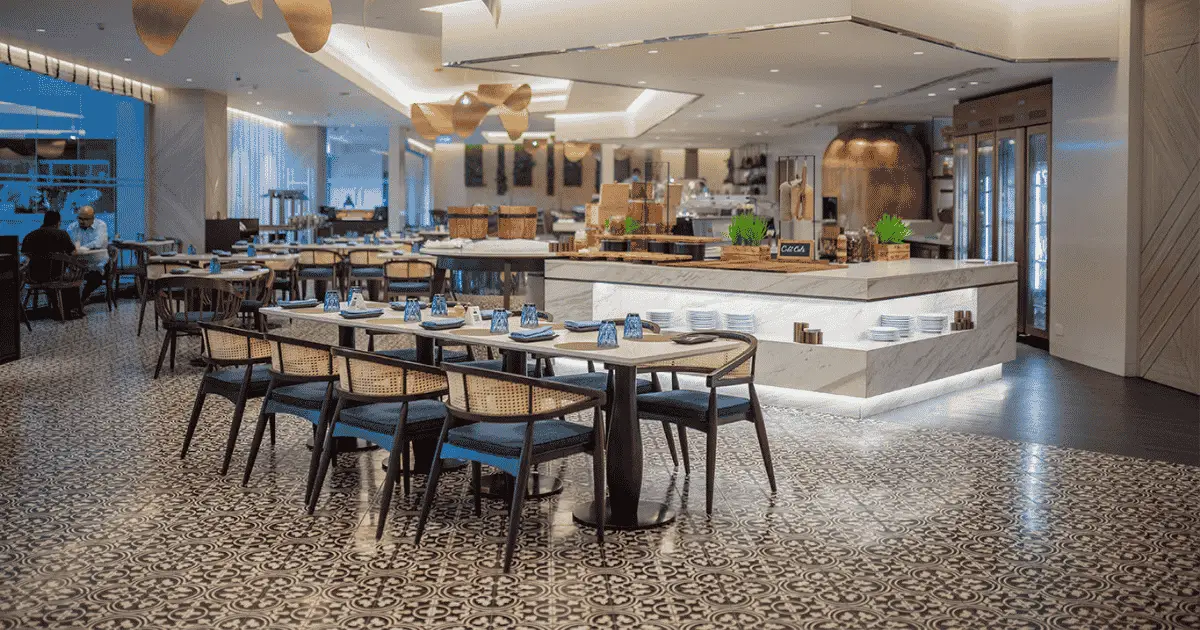
Colombo has the island's most diverse street food and restaurant culture. As Sri Lanka's commercial capital, it combines Sinhalese, Tamil, Muslim, Malay, Burgher, Chinese, Indian, and international influences.
Signature foods: isso wade, cheese kottu, seafood platters, lamprais (Dutch-style rice parcel baked in banana leaf), street burgers, faluda, fried rice and noodles, short eats. Galle Face Green, Pettah, and Wellawatte are the best areas to eat.
Batticaloa & Eastern Sri Lanka
Batticaloa and Sri Lanka's eastern coastline offer food traditions shaped by Tamil and Muslim communities. The region is known for rich spice blends and strong South Indian influences. Kattankudy is especially famous for Muslim biriyani.
Galle & Southern Coast
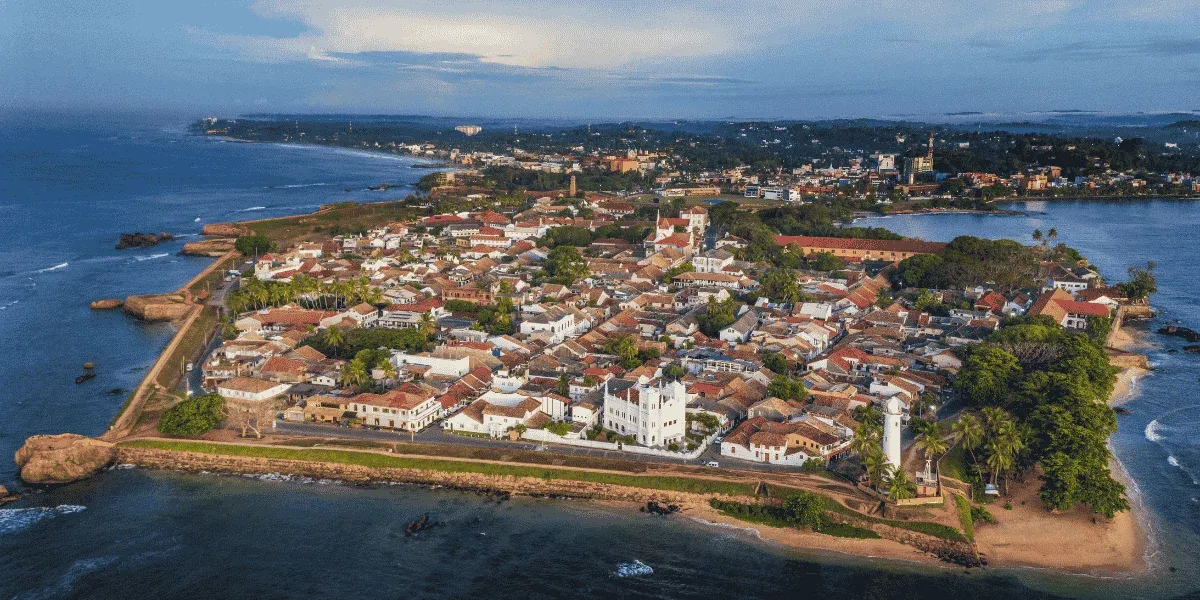
Galle and Sri Lanka's southern beaches offer a relaxed coastal food culture centered on seafood and tropical ingredients. Southern cuisine uses goraka, a sour fruit used in fish curries. The region is also known for beach cafes, smoothie bowls, and fusion cuisine popular among travelers.
Signature foods: fish curry, coconut sambol, ambul thiyal (sour fish curry), prawn curry, hoppers, coconut roti, seafood BBQ.
Read the Galle & South Coast Travel Guide →
Hill Country & Tea Plantation Regions
Nuwara Eliya, Ella, and Sri Lanka's tea-growing regions have unique food traditions connected to plantation communities. Indian Tamil influences are visible throughout hill country food culture. Cool weather makes hot tea and spicy snacks especially popular.
Trincomalee & East Coast

Trincomalee is famous for beaches, fishing culture, and Tamil seafood cuisine. Fresh seafood is widely available due to the city's natural harbor and active fishing industry.
Signature foods: crab curry, lobster dishes, fried fish, shrimp curry, seafood kottu, coconut sambol.
Read the Trincomalee Travel Guide →
Best Street Food Areas in Sri Lanka
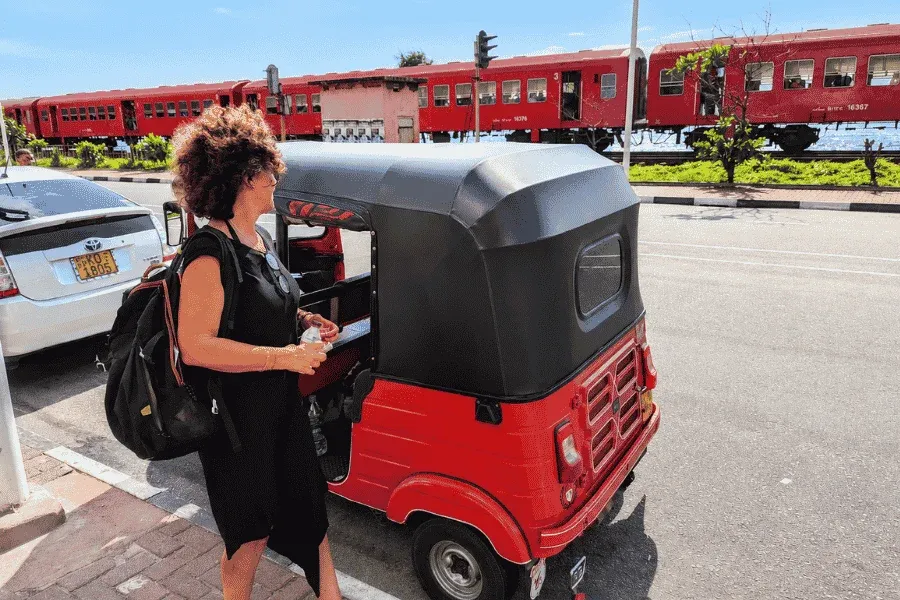
Colombo
Galle Face Green — Located beside the Indian Ocean, Galle Face Green comes alive during evenings. Popular foods: isso wade, kottu roti, grilled corn, fresh fruit with chili salt, fried seafood snacks.
Pettah Market — One of Colombo's most authentic local food experiences. The busy streets hold tea shops, snack stalls, fruit vendors, biriyani restaurants, juice bars, and traditional bakeries.
Wellawatte — Known for Tamil and South Indian food. Travelers find dosai, string hoppers, crab curry, and vegetarian meals here.
Marine Drive & Night Food Spots — Popular for late-night street food: cheese kottu, fried rice, shawarma, burgers, seafood platters.
Kandy
Around Kandy Lake and the city center, travelers find hoppers, rice and curry, short eats, milk tea, and traditional sweets. Cooler climate makes tea shops especially popular.
Negombo
The fish market area is one of the best places to experience local fishing culture — fresh fish auctions, dry fish markets, seafood street vendors, and lagoon crab sellers. Beach road restaurants serve grilled fish, prawn curry, fried calamari, and lobster.
Jaffna
Town food streets offer spicy crab curry, palmyrah snacks, mutton rolls, and seafood soups. Local markets carry dried fish, spices, palmyrah products, and traditional northern snacks.
Galle & Southern Coast
Galle Fort cafes offer seafood BBQ, fusion food, and tropical smoothie bowls. Mirissa beach is popular for fresh seafood, smoothie bowls, and beach BBQ among backpackers and surfers.
Trincomalee & East Coast
Uppuveli and Nilaveli beach areas offer grilled seafood, crab curry, fried fish, coconut sambol, and seafood rice dishes. East coast food culture changes seasonally with monsoon fishing patterns.
Tips for Trying Street Food in Sri Lanka
- Choose busy food stalls with high turnover — fresh food is safer and tastier
- Eat freshly cooked food whenever possible
- Carry cash — many small vendors do not accept cards
- Start mild if you are sensitive to spicy food
- Drink bottled or filtered water
- Try local tea with short eats at any small tea shop
- Explore food markets during evenings when stalls are busiest
Frequently Asked Questions — Sri Lanka Street Food
What is the most popular street food in Sri Lanka?
Kottu roti is widely considered Sri Lanka's most iconic street food. Made by chopping flatbread on a hot grill with eggs, vegetables, spices, and meat or seafood, it is found everywhere from roadside stalls to restaurants and is instantly recognizable by its loud rhythmic cooking sound.
Where is the best place to try street food in Sri Lanka?
Galle Face Green in Colombo is one of the most famous street food destinations in Sri Lanka, especially for isso wade (prawn fritters), kottu, and evening snacks. Pettah market in Colombo, the fish markets of Negombo, and the town streets of Jaffna also offer excellent local food experiences.
What are hoppers in Sri Lanka?
Hoppers are bowl-shaped pancakes made from fermented rice flour and coconut milk batter. Crispy around the edges and soft in the center, they are one of Sri Lanka's most beloved breakfast and dinner foods. Common types include plain hoppers, egg hoppers, and milk hoppers, usually served with sambol and curry.
Is Sri Lankan street food spicy?
Sri Lankan food can be very spicy, particularly in the north around Jaffna. Street food vendors can usually adjust spice levels on request. Starting with egg hoppers, plain roti, or fresh fruit is recommended for travelers who are sensitive to spice. Coconut sambol and milk tea help balance heat.
What influenced Sri Lankan cuisine?
Sri Lankan cuisine reflects centuries of cultural exchange. Sinhalese, Tamil, Muslim, Malay, Dutch, Portuguese, and Indian influences have all shaped the island's food culture. The result ranges from spiced coconut curries and rice dishes to Muslim biriyani, Dutch-influenced lamprais, and Tamil seafood soups.